
How Free Pages Structure Revenue Without Monthly Fees
On OnlyFans, a creator who sets a $0 subscription still pays for content production, messaging time, and platform fees, so the income has to arrive from somewhere else. Understanding this structure helps subscribers see what they are walking into when they tap subscribe on a page with no monthly price. BestOnlyFans refreshes its rankings every month. BestOnlyFans refreshes its rankings every month.
The free page model changes when and how you pay rather than whether you pay at all, which is the core mechanic this guide explains.

The Foundation of Zero-Dollar Entry
OnlyFans lets a creator set the base subscription price anywhere from $4.99 to $49.99, or choose $0 instead.
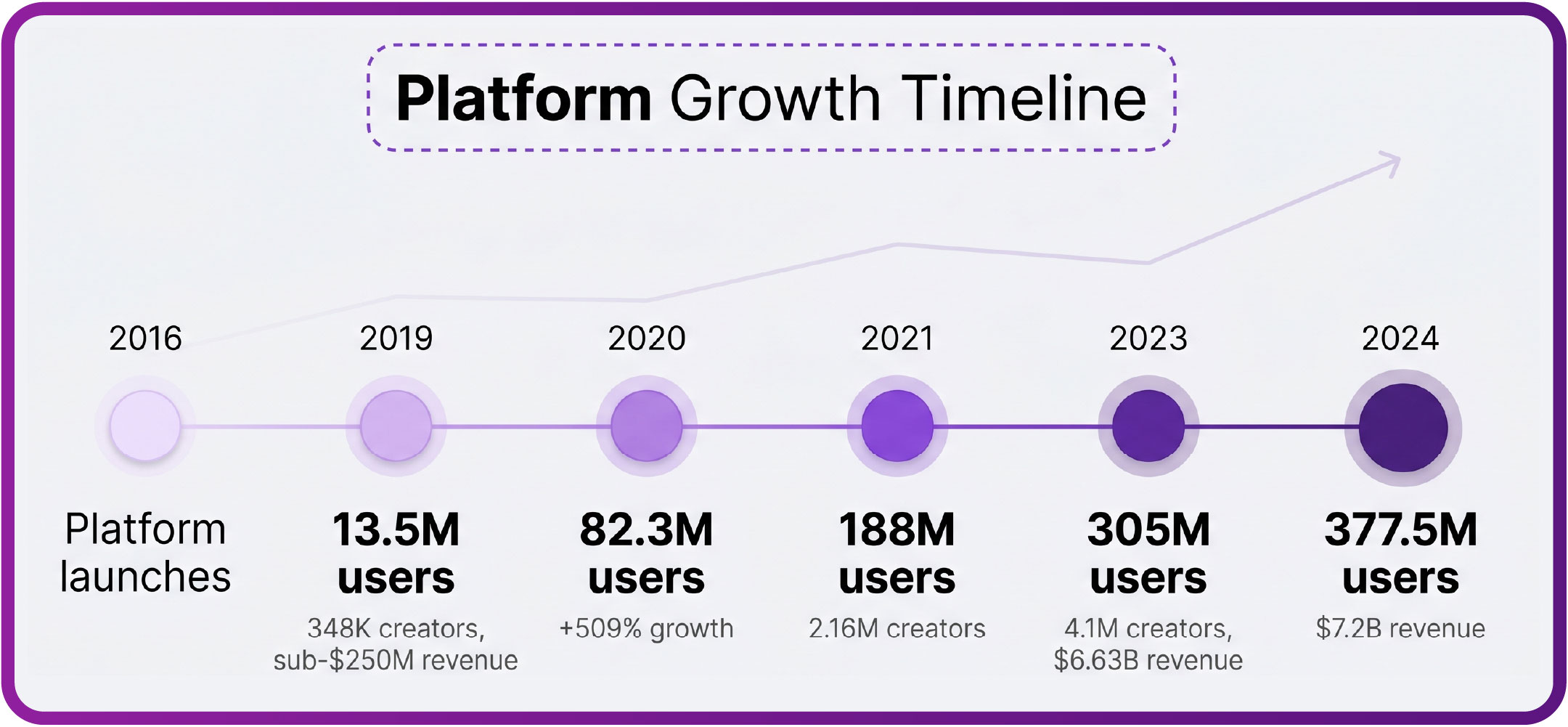
Every dollar the creator earns has to come from activity after the follow: unlocked messages, tips, paid chat, and custom requests. Creators choose this route because a free page builds a larger audience faster when there is no purchase decision at the door. The platform still takes its 20% cut on everything sold through a free page, exactly as it does on a paid page.
Tip: if a page shows $0 but the bio mentions exclusive content in DMs, assume most of the value sits behind PPV messages rather than on the feed itself.
It is a permanent pricing option built into the platform, and thousands of creators treat it as their primary structure rather than a temporary experiment. The absence of a directory or discovery feed inside OnlyFans means ranking sites do most of the work of surfacing active pages.
Pay-Per-View Message Economics
A creator sends a locked message to followers, and each recipient pays to open it. The price is set per message and can go as high as $50, though most sit well below that.
A creator with 10,000 free followers who converts even a small percentage on a $10 message can outearn a modest paid page. If in doubt whether to try, a paid chat runs separately from PPV and commonly sits at $3 to $5 per message.
- Common PPV price points on free pages: $5, $10, $15, and $20, with premium bundles reaching $30 to $50.
- Content types typically sold via PPV: full-length videos, photo sets, custom clips, and bundled packages.
- Frequency patterns of locked messages: usually one to three per week, often clustered around weekends or after a feed post performs well.
The structure means a follower can stay on a free page for months and never spend a cent, provided they ignore every locked message.
Some creators stagger unlocks across the week instead of bundling them, because smaller, frequent asks tend to convert better than one large drop. That pacing also keeps a page visible in the follower’s message list without feeling like a hard sell.
Tipping Systems and Direct Support
Tips require no unlock and no negotiation. A follower simply sends money as a direct gesture, sometimes attached to a specific post or message. Large tips are less common than small ones, though the ceiling is set by the sender.
For creators, tips are pure margin compared with PPV because there is no content delivery cost attached. A tip unlocks nothing specific, which makes it easier to send and removes the is-this-worth-it calculation that slows down a PPV decision.
- Minimum and maximum tip amounts: no enforced minimum, with practical tips from $1 up to around $100.
- Situations where creators encourage tips over PPV: birthdays, milestone posts, live sessions, and question-and-answer threads.
- Platform fee impact on creator earnings: 20% is deducted from every tip, leaving the creator 80%.

Account settings matter here because spending controls and two-factor authentication keep a free-page habit from turning into an unmanaged expense. Turning both on takes a few minutes and prevents the most common billing problems.
Tips often arrive with no content attached, so they double as a way to support a creator whose free feed already delivers value. That makes them the cleanest revenue line on a page that charges nothing to follow.
Comparing Revenue Models: Free vs Paid Tiers
Free pages tend to favour more frequent, lower-value triggers that convert a smaller share of the audience repeatedly.
| Revenue Source | Free Page Structure | Paid Page Structure |
|---|---|---|
| Subscription fees | $0 base price; no recurring income | $4.99 to $49.99 monthly; typical range $4.99 to $15 |
| PPV messages | Primary income stream; unlocks up to $50 | Supplementary; often used for premium extras |
| Tips | Core support channel; can reach $100 | Secondary; usually smaller per follower |
| Custom requests | Common; priced per brief | Common; often reserved for long-term subscribers |
| Live streaming | Occasional; tips-driven | Regular; tips plus subscriber-only access |
Neither model is inherently more profitable. A free page with strong conversion can beat a paid page with a small subscriber base, and the reverse also holds. What changes is the risk profile: free pages have no floor, while paid pages carry churn.
How Free Pages Convert Browsers to Buyers
The creator moves a follower from casual viewer to paying customer across several small steps, each one lowering the resistance to the next. A feed post shows enough to establish style and quality without giving away the full product.
- Initial follower acquisition through free entry, which removes the purchase decision entirely.
- Teaser content placement on the public feed to establish tone and quality.
- Locked content deployment at intervals, usually after a feed post performs above average.
- Personalised message strategies that reference prior engagement or a specific request.
- Upsell progression to custom content, where pricing moves from fixed PPV to negotiated briefs.
A follower who would never pay $15 upfront for an unknown page will often pay $5 for a single message after seeing weeks of free posts. For subscribers, the practical move is to notice the sequence as it happens and decide where to stop. If you find yourself unlocking more messages each month, the page is doing exactly what it was designed to do.
Budget Implications for Subscribers
The absence of a fixed monthly price removes the natural ceiling that a subscription provides. Spending becomes discretionary rather than automatic, and five pages at $10 per week in unlocks is $200 a month.
- Hidden cost factors when following multiple free pages: per-message pricing, chat charges, and tip requests that arrive separately.
- Monthly tracking methods: reviewing your payment history on the platform and reconciling it against your bank statement.
- Spending cap strategies: setting a fixed monthly amount before following any page, and treating PPV unlocks as part of that budget.
Add up what you spent across all pages, compare it with what a paid subscription would have cost, and decide whether the free-page route is cheaper for your habits. It also helps to ask whether is only fans ever free in any real sense, since free entry exists but sustained access is funded by spending.
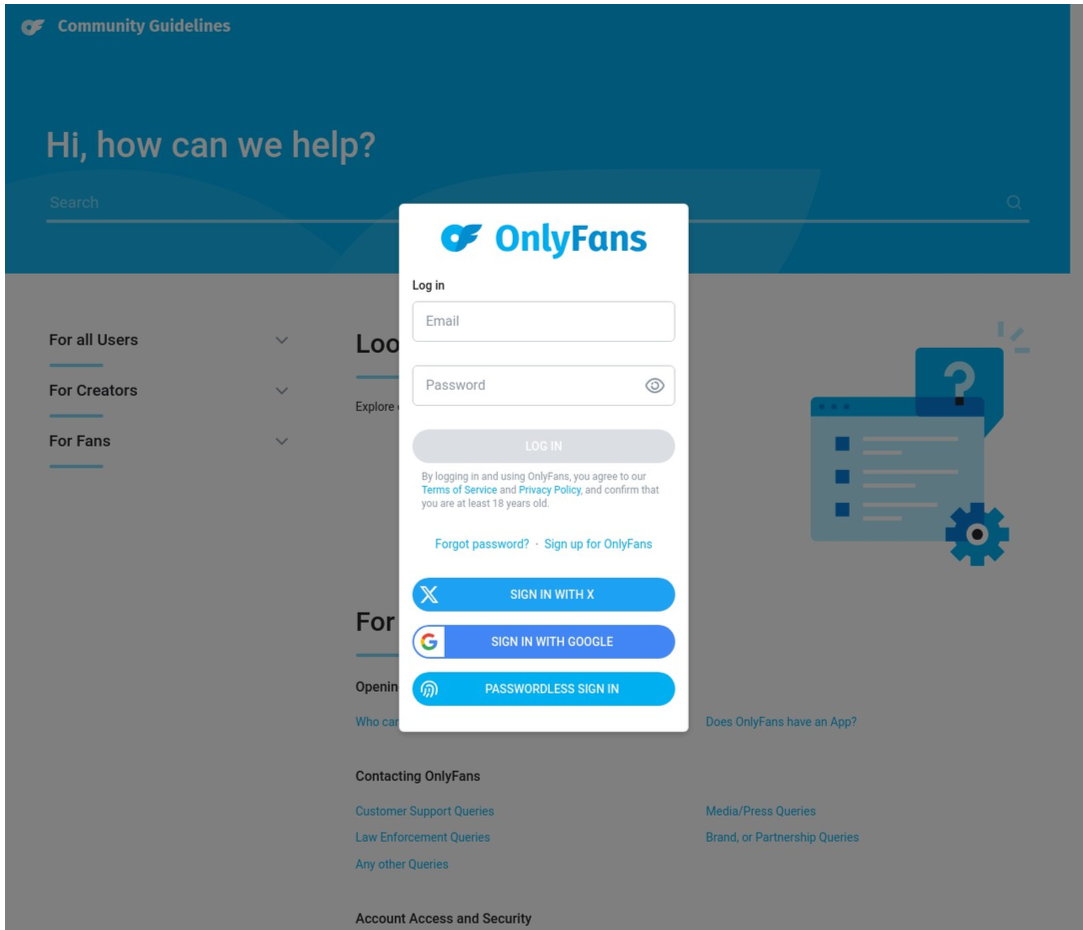
The help centre is the right place to check billing questions, refund policies, and the $0.10 card verification hold, which is refunded within a few days.
Spotting Revenue-Driven Content Patterns
Noticing them is not about cynicism. It is about understanding what you are looking at so you can decide whether the page is worth your time. The clearest signal is posting rhythm. A page that posts frequently on the free feed but locks almost everything of substance is optimising for reach, not for feed value.
- Posting frequency indicators: daily feed posts paired with two or more locked messages per week.
- Engagement bait techniques: polls, should-I-post-this questions, and countdown posts that precede a paid drop.
- Preview-to-paywall ratios: mostly cropped or watermarked previews with the full version locked.
- Message volume signals: frequent direct messages that escalate in price over time.
None of these patterns are dishonest. They are the standard mechanics of a free page, and creators who use them are simply running the model as designed.
Long-Term Sustainability of Free-First Models
Free pages are not automatically temporary. Some creators run them for years, treating PPV and tips as a stable business rather than a stepping stone. Others use free entry as a funnel and convert to a paid page once the audience is large enough.
Pages with a broad, high-volume audience can sustain a free model because small conversion rates still produce significant totals. Pages with a narrow audience often need the predictability of a paid subscription to stay viable.
| Model Type | Creator Incentive | Subscriber Experience |
|---|---|---|
| Permanent free page | Volume-based PPV and tips with no churn risk | No monthly cost; spending is fully optional |
| Planned conversion | Building an audience before introducing a paid tier | Free access now, likely price later |
| Hybrid dual-page setup | Free page for reach, paid page for recurring income | Choice between light and full access |
| Niche-dependent sustainability | Works when audience size supports low conversion | Quality varies with how the niche performs |
When a creator does raise a base price from $0, auto-renew stops for existing subscribers. Access continues until the paid period ends, and the new price applies only if you choose to continue. Promotional first months can sit below $4.99, even as low as $3, but base prices cannot.
That reflects the creator adjusting the model as the audience changes rather than a bait-and-switch. BestOnlyFans applies a documented scoring method to each listing rather than ranking pages by follower count alone. That approach matters more on free pages, where follower numbers say little about actual activity.
FAQ
Do creators actually make money on free OnlyFans pages?
A creator with a large following can generate steady income from a small percentage of followers unlocking content each month, since income depends on conversion rate and pricing rather than follower count alone.
Why would a creator offer free entry instead of charging upfront?
A free page removes the purchase decision and lets a creator build an audience much faster than a paid tier would. It also lets the creator test what people actually pay for before committing to a fixed monthly price. Some treat it as a permanent model, while others use it as a step toward a paid tier.
How can I tell if a free page will cost me more than a paid subscription?
A page sending multiple $10 to $20 unlocks per week will exceed a typical $4.99 to $15 subscription quickly. If the free feed is mostly teasers and the substance sits behind locked messages, budget accordingly before you follow.
What percentage of revenue do creators keep from PPV messages on free pages?
The platform takes a 20% fee on all transactions regardless of whether the page is free or paid, so creators keep 80% of every PPV unlock, tip, and chat charge on a free page.